







Flooding and Stress: How to Cope and Get Support
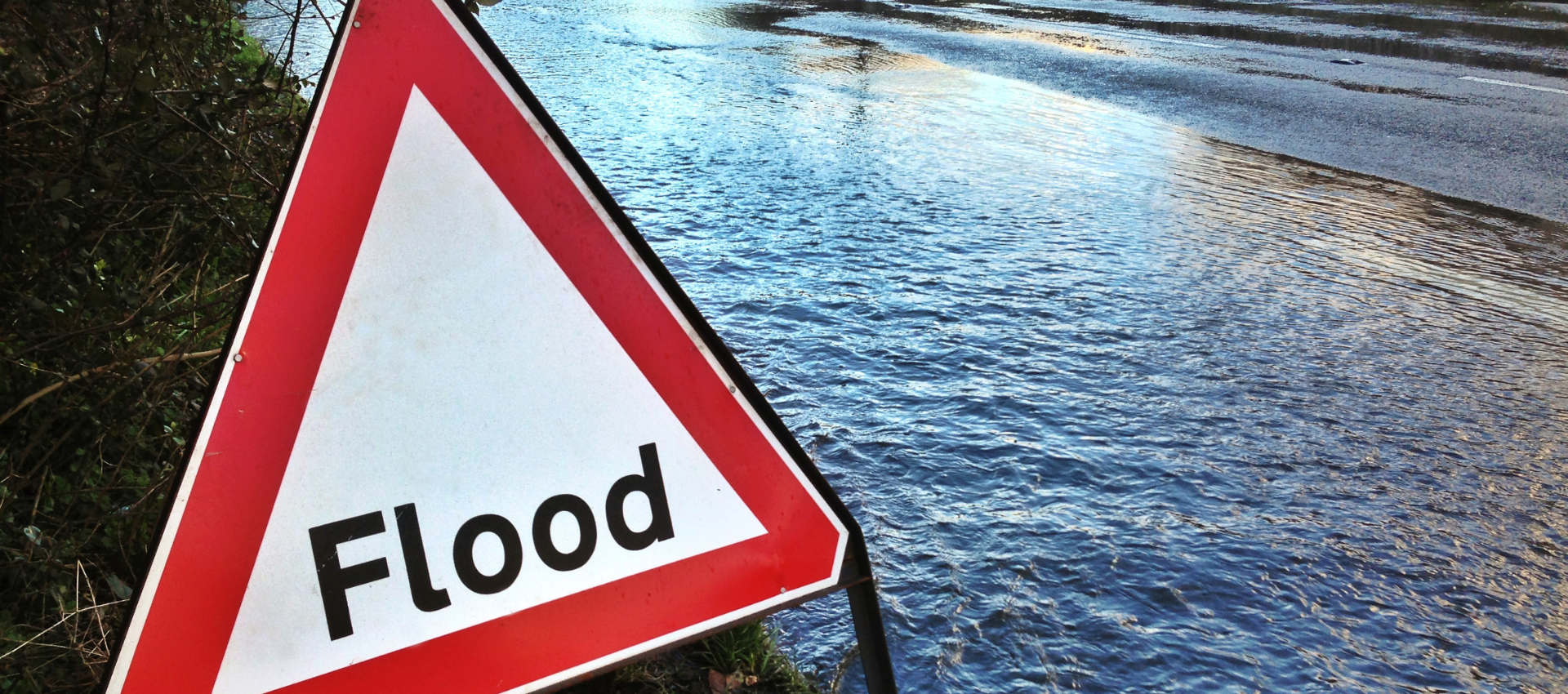
When flooding strikes, the immediate focus is often on physical safety and property damage. Yet we should not underestimate the impact of flooding on mental health. It is very real and can last long after the water has gone.
Across the UK, communities affected by floods face more than structural damage. A study by Public Health England (PHE) found that people who had experienced flooding were more likely to have symptoms of post-traumatic stress disorder (PTSD), depression and anxiety disorders – such as general anxiety disorder and panic disorder – between six months to three years following the event.
Experiencing a flood can disrupt daily life, create uncertainty and lead to strong emotions and unhelpful thoughts. Even if your home has not been directly flooded, events in your area can still affect you.
Eight Practical Steps to Support Your Wellbeing
While many people recover naturally over time, others may find that the emotional impact of flooding lingers. Recognising this early and taking steps to support your wellbeing can make a real difference.
Here are some practical ways to protect your mental health:
- Prioritise tasks – Write down your priorities and split out the tasks. Tackle what you feel you can manage – that might be one, two or three tasks a day. Avoid overstretching yourself during the recovery process.
- Acknowledge achievements – Tick off each task as you complete it and take time to recognise what you’ve achieved. This can help you feel you are making progress.
- Write things down – When we’re stressed, our ability to retain information reduces. Keep a notepad and pen on you to write down information from calls or meetings with community services, or make notes on your phone. You may also find it helpful to share the information with family and friends.
- Limit news exposure – It can be tempting to watch or listen to the news all day or to continuously scroll through bad news – otherwise known as doom scrolling. Try to avoid doing this as it may compound negative feelings such as anxiety and stress.
- Stay connected – Research shows that it’s better to spend as much time as possible with others, rather than go over the event in your own head. The simple act of talking can be very beneficial, so reach out to friends and family if you can.
- Take a walk – Physical exercise has huge potential to improve wellbeing. It’s important to choose an exercise that feels manageable for you during this stressful time. Walking is low-intensity and can help you organise your thoughts and put things into perspective.
- Support children and young people – Flooding can have a big impact on the emotional wellbeing of children and young people. Being displaced may lead them to feel they have a lack of control over their lives and they may be anxious about the future. Try to maintain a routine and continue doing familiar activities if you can, such as stories at bedtime. Young children also benefit from having a familiar comforter, such as a security blanket or special toy.
- Access community support – Many people who experience flooding find their local community to be an important source of practical and emotional support. There may be support groups specifically set up for the flooding or local recovery hubs that you can lean on for additional help.
Want to find out more? Click here to read our article ‘Eight ways to improve happiness and mental wellbeing’.
When to Seek Professional Mental Health Support
If unhelpful thoughts and strong emotions persist for more than two weeks, or you feel overwhelmed, seeking professional help is a positive step. Support is available and reaching out shows strength.
Free Mental Health Support Through NHS Talking Therapies
Flooding can have a significant emotional impact, and it is important to know that support is available if you are finding things difficult.
If recent flooding has affected your wellbeing, NHS Talking Therapies can offer free and confidential support. You can refer yourself directly or you can ask your GP to make a referral for you. Vita Health Group delivers NHS Talking Therapies in a number of commissioned areas across England, and each local service provides a range of evidence based options. These may include individual sessions, online therapy options or group webinars that can help you manage the emotional effects of flooding and support your recovery.
For additional support, NHS Better Health has advice on how to deal with stress or anxiety, as well as information about where you can access further support. For immediate support if you’re struggling to cope or in emotional distress, Samaritans’ free helpline is available 24 hours a day on 116 123.
Your Mental Health Matters
Recovery from flooding takes time. By looking after your emotional wellbeing now, you give yourself the best foundation for long-term recovery. Help is available – you do not have to face this alone.
Information & Guidance
Access our Health Hub


Mental Health
Struggling with your mental health can affect all aspects of your life. You don't need to navigate your struggles alone, we provide a range of self-help guidance to help you manage your thoughts, feelings, and symptoms.







Related Articles

Feeling Overwhelmed at Uni? Try This Simple Two Minute Reset
Practical ways to steady your mind at university and explore how talking therapies can help.

Beating the Winter Blues: Overcoming ‘Blue Monday’ and the Post-Holiday Slump
Beating the Winter Blues: Overcoming ‘Blue Monday’ and the Post-Holiday Slump

World Mental Health Day
Learn how Vita’s NHS Talking Therapies help manage anxiety, depression, stress & boost wellbeing.

What to remember when you’re feeling overwhelmed
If you’re feeling overwhelmed often it may be time to intervene.