

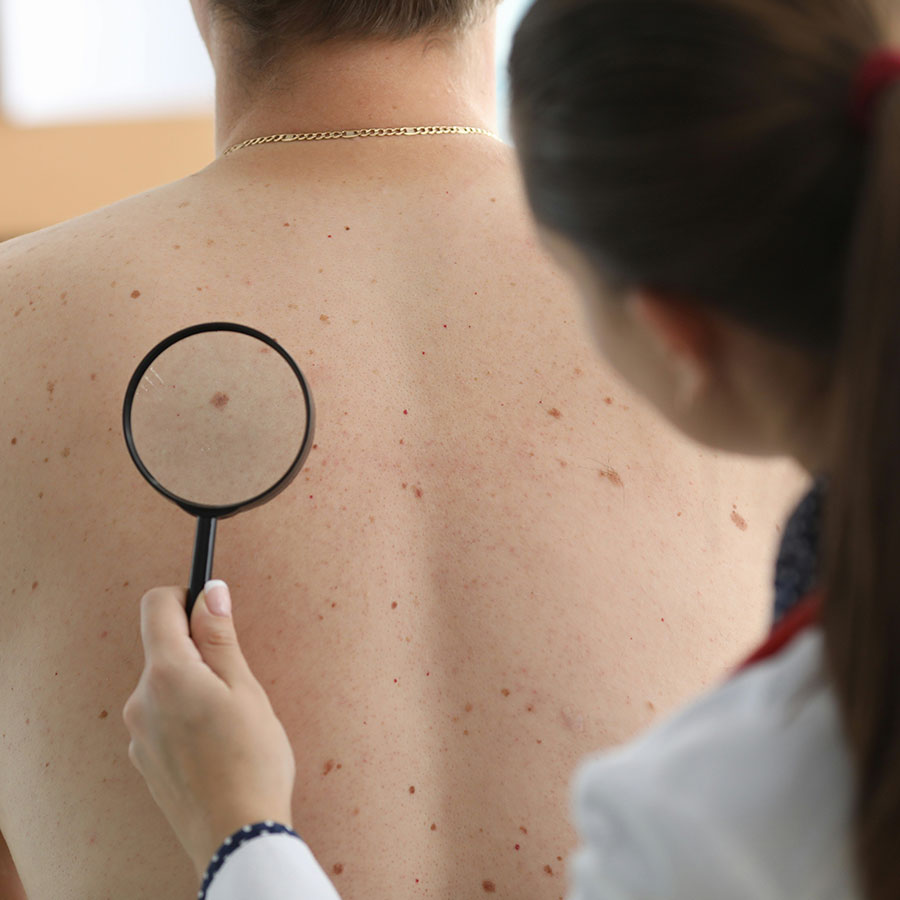





- Dermatologist warns dangerous myth that Black and Brown skin can’t get skin cancer is “costing lives”
- Survival gap: Black patients face up to 25% poorer outcomes due to later diagnosis
- Expert is urging immediate behaviour change including sunscreen use and regular skin checks vital for all skin tones
- “A one-size-fits-all approach to skin cancer is dangerous.” – Sophia Brown, dermatologist.
Sophia Brown: A dermatologist has issued an urgent warning about the persistent myths surrounding skin cancer and sunscreen use among people with Black and Brown skin – myths that are putting millions of lives at risk.
Sophia Brown, clinical lead dermatologist at Vita Health Group – a healthcare provider who works in partnership with the NHS to provide dermatology services – says that people with darker skin tones can, despite common disbelief, still develop sun-related skin cancer, and should not assume they are exempt from wearing sunscreen.
Brown says, “It’s simply not true that people with Black and Brown skin can’t get skin cancer. One of the most dangerous myths I hear is that darker skin tones don’t need to use sunscreen – but this misconception is costing lives.”
A one-size-fits-all approach to skin cancer is dangerous
Although Black and Brown people are less likely to get melanoma caused by UV – because darker skin produces more protective melanocytes, reducing damage from the sun – mortality rates are higher because it is often diagnosed later and at a more advanced stage.
Research has shown that Black people have a poorer overall survival with an absolute survival difference of 25%.
One of the major issues is the underrepresentation of skin cancers on Black and Brown skin in medical education and public imagery, Brown explains.
“Most dermatological conditions are taught and shown on white skin, meaning symptoms in people with darker skin are often under-recognised or misdiagnosed,” said Brown. “If skin conditions are only taught or portrayed in one way, there’s a real risk they’ll be missed, undiagnosed, or mistreated in people with darker skin. We urgently need better representation in both medical teaching and public health campaigns.”
Brown also points out that Black and Brown skin is often treated as a single category, but there is a huge variation in skin tones. She says, “A one-size-fits-all approach to skin cancer is dangerous.”
In darker skin, hyperpigmentation – dark patches or spots on the skin – is another common concern that is made worse by sun exposure.
“Hyperpigmentation on Black and Brown skin is something I see in the clinic every day. Sunscreen is one of the best defences against it,” says Brown. “Using SPF isn’t just about cancer prevention, it’s also about protecting the health of your skin.”
Warning signs to look out for on darker skin tones
All skin types can be affected by melanoma caused by sun exposure, but it can be harder to detect on darker skin tones, and may not always present with the classic ABCDE signs (asymmetry, border irregularity, colour variation, diameter and evolving).
- Check for changes to skin: Brown urges people to look for new or changing spots, moles or bumps, especially those that are bleeding, itching, or changing in any way, including darkening or colour changes.
- Use factor 30-50 sunscreen: People should always use sunscreen to protect against UV rays. Brown encourages people to ensure it has at least 4-star UVA protection, and to double-check it’s within its expiry date.
- Avoid direct sunlight at peak times: The dermatologist also suggests avoiding direct sunlight between 11am and 3pm, and reapplying sunscreen at least every two hours.
Acral Lentiginous Melanoma – the signs
“The most common type of melanoma in people with darker skin is Acral Lentiginous Melanoma (ALM). Although ALM does not appear to be related to sun exposure, death rates can be higher than other forms of melanoma as it can go unnoticed for longer,” says Brown.
ALM can appear on the palms of hands, soles of the feet, under the nails, and in the mouth. Brown urges people to regularly monitor skin for changes as early detection and treatment can be life-saving.
“The key message is simple,” says Brown. “Everyone – regardless of skin tone – should wear sunscreen, check their skin regularly, and seek immediate medical advice if they notice any changes. Early detection of skin cancer is essential.”
-ENDS-
Notes to editors
Educational resources
Skin Deep Dermatology Resource – ‘Skin Deep is led by the international medical education team, Don’t Forget the Bubbles (DFTB) and the Royal London Hospital (RLH). The aim is to develop a free, open-access bank of high-quality photographs of medical conditions in a range of skin tones for use by both healthcare professionals and the public.
The Centre of Evidence Based Dermatology (CEBD) Skin of Colour Resource, is a comprehensive toolkit for skin of colour compiled by Dr Douglas Grindlay and Dr Sharon Belmo. It provides up to date evidence-based information including systematic reviews, review articles, guidelines, and patient information on topics of relevance to skin of colour.
Black & Brown Skin Matters is a website set up by Ellen Buchanan Weiss to provide a resource of images for patients and clinicians of how skin conditions can present differently in people with darker skin tones. There is also an Instagram page.
About Vita Health Group
Vita Health Group, part of Spire Healthcare, is a leading private UK healthcare provider dedicated to making people better. The organisation provides integrated physical and mental health services to employers/ insurers, the NHS and private patients. Vita Health Group has over 30 years experience delivering best-in-class physical and mental health services, with unique expertise in holistic, person-centred care.
Sophia Brown, clinical lead dermatologist, Vita Health Group
Sophia Brown is the clinical lead dermatologist Vita Health Group, a UK healthcare provider working in partnership with the NHS to deliver community-based dermatology services. With over 15 years of experience across acute and community settings, Sophia is a highly motivated and compassionate leader in dermatology with an MSc in Independent Prescribing (INP). Passionate about aesthetics and cosmetic dermatology, Sophia is also a committed advocate for skin diversity and equity in the treatment of darker skin tones.
Vita Health Group NHS Dermatology
Vita Health Group works in partnership with the NHS to provide dermatology services to support local residents in various districts throughout the UK.
It offers treatment at a number of locations and has a team of highly trained and experienced professionals who are committed to excellence in clinical standards and customer service. Vita Health Group’s approach allows it to understand individual needs and create specialised treatment plans. Its team are experts in diagnosing and treating skin conditions and provide patients with easy to understand and helpful advice.[Text Wrapping Break][Text Wrapping Break]Find out more at: www.vitahealthgroup.co.uk/nhs-services/nhs-dermatology
Information & Guidance
Access our Health Hub



Physical Health
If you are struggling with a physical condition or injury that is affecting daily life, we offer a range of guidance to help reduce your symptoms, prevent further injury and improve your physical function to get you back to your best.





Latest Articles
Unlocking Faster Recovery: The Power of Shockwave Therapy

NHS Talking Therapies & Age UK Thanet National Research
31% adults aged 55+ write off feeling low or depressed as a ‘normal’ part of ageing

Feeling Overwhelmed at Uni? Try This Simple Two Minute Reset
Practical ways to steady your mind at university and explore how talking therapies can help.

Time to Talk Day: How to Start the Conversations That Matter
To mark Time to Talk Day, we’re sharing practical ways to start meaningful conversations about mental health.